News

Zack’s co-authored paper was published at Surface and Coatings Technology!

Zack’s co-authored paper was published at Surface and Coatings Technology!

The first author, Moishe Y.E. Azoff-Slifstein, was a UConn alumnus and also my advisee!

Many Congratulations!

Moishe Y.E. Azoff-Slifstein, Anshuman Thakral, Sadiq S. Nishat, Zachary S. Arenella, Seok-Woo Lee, Daniel Gall,Hardness Enhancement in MoN/MoC Superlattices,” 133627 Surface and Coatings Technology (2026) [PDF][web]

Abstract:

1.2-μm-thick molybdenum nitride/carbide coatings with nominal modulation periods Λ = 1.9 to 30 nm are deposited on MgO(001) substrates by reactive magnetron sputtering in alternating Ar/N2 and Ar/CH4 gas mixtures at 800 °C. X-ray diffraction patterns show a single set of rock-salt structure peaks, indicating a polycrystalline microstructure with 111- and 001-oriented grains and coherency across compositional modulations. Pure nitride and carbide films have compositions corresponding to MoN0.5 and MoC0.5, while the composition modulated films exhibit an overall stoichiometric (1:1) cation-to-anion ratio but approximately four times more carbon than nitrogen. The films exhibit hardness H and elastic modulus E values which are low in comparison to existing literature. This is attributed to a significant surface roughness and an under-dense, columnar microstructure with intra- and inter-columnar pores. H and E of the films increase from H = 3 GPa and E = 135 GPa for Λ = 1.9 nm to maxima H = 12 GPa and E = 255 GPa at Λ = 15 nm, followed by a decrease to H = 7 GPa and E = 170 GPa for Λ = 30 nm. The hardness maximum is 471% and 50% larger than the measured H = 2.1 and 7.9 GPa of pure MoN and MoC films, respectively. This change in mechanical properties as a function of compositional modulation is attributed to both variations in the under-dense columnar microstructure and dislocation pinning caused by the compositional modulation that leads to local strain fields and bond strength variations.

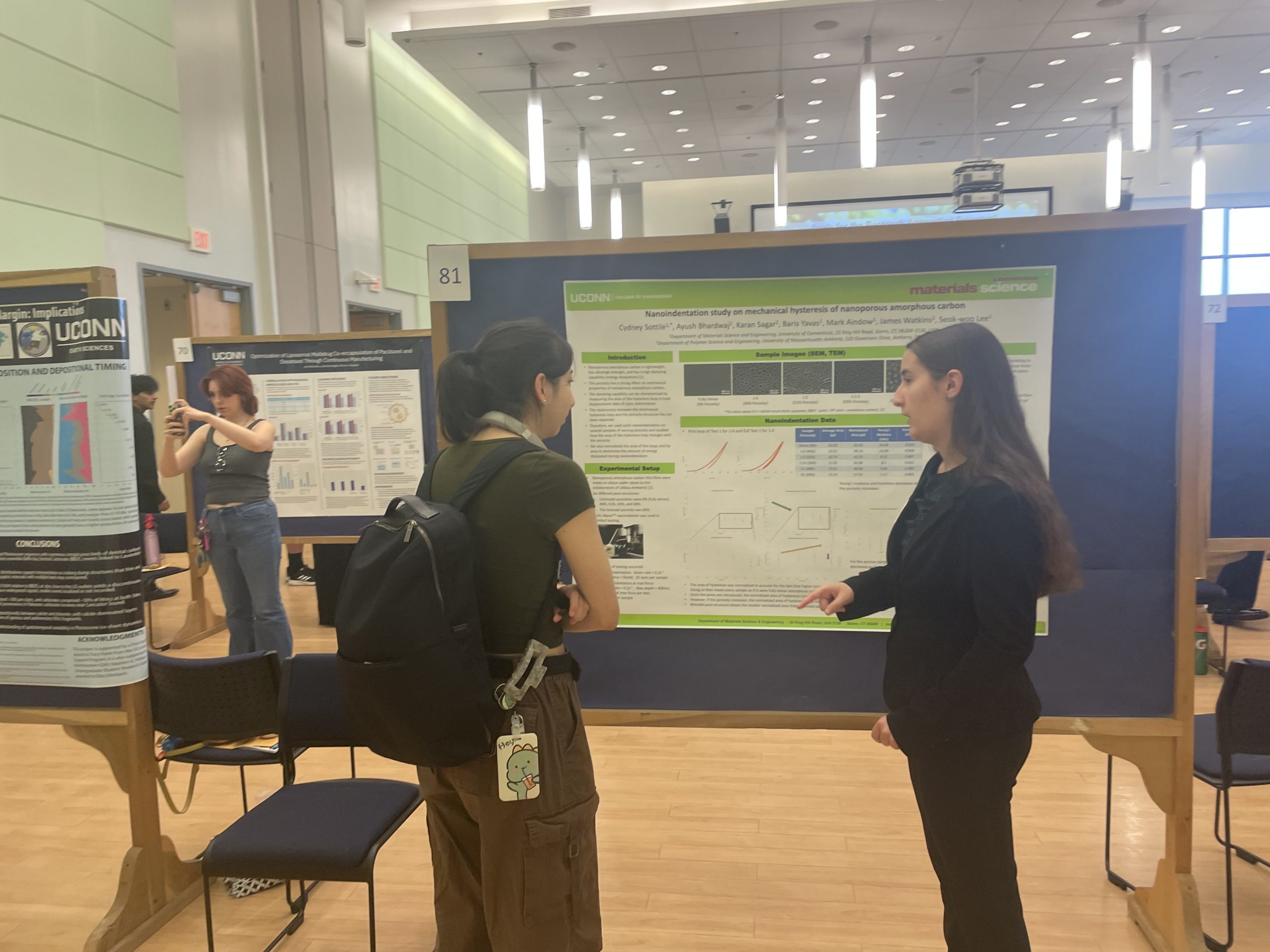
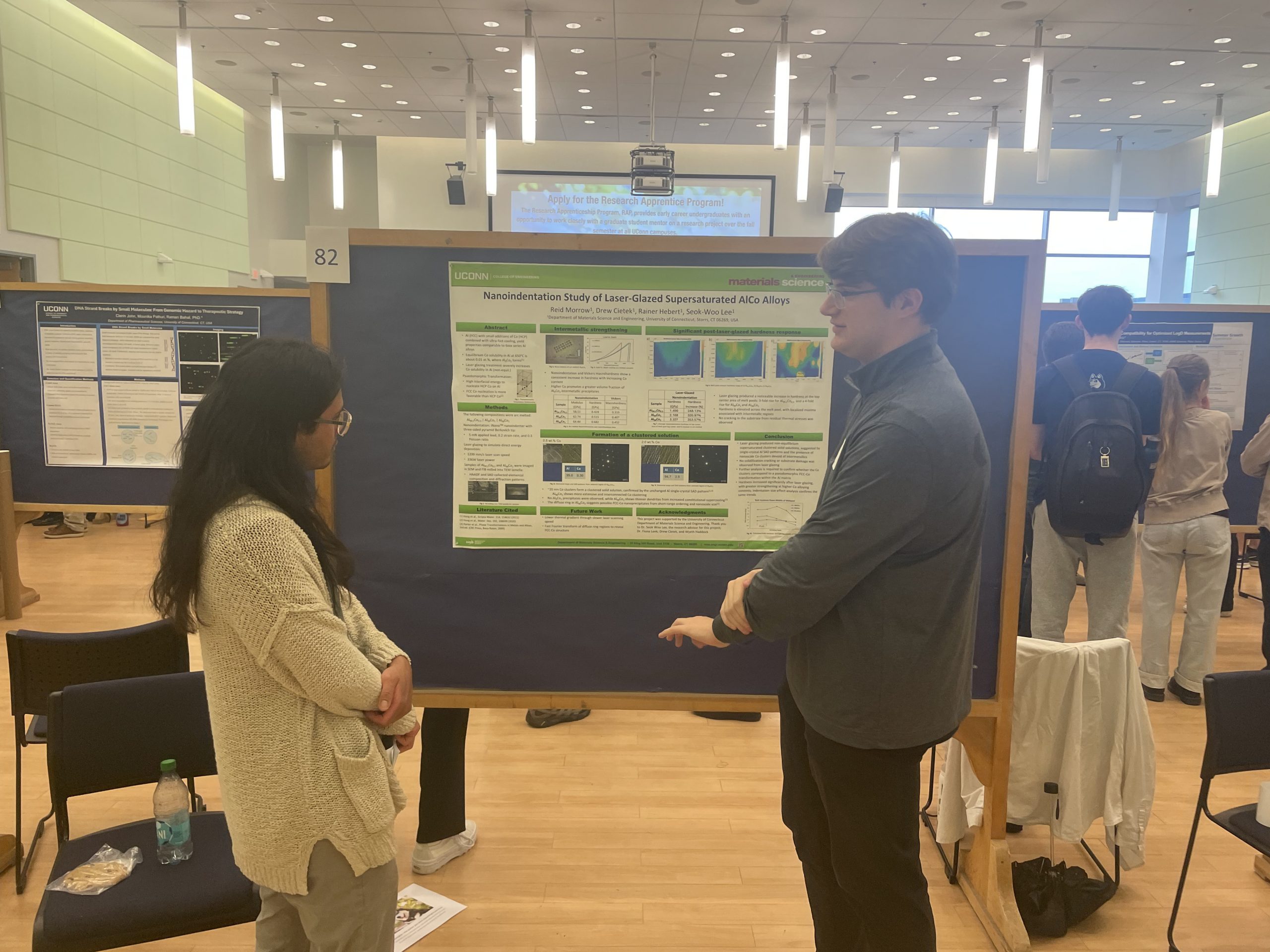
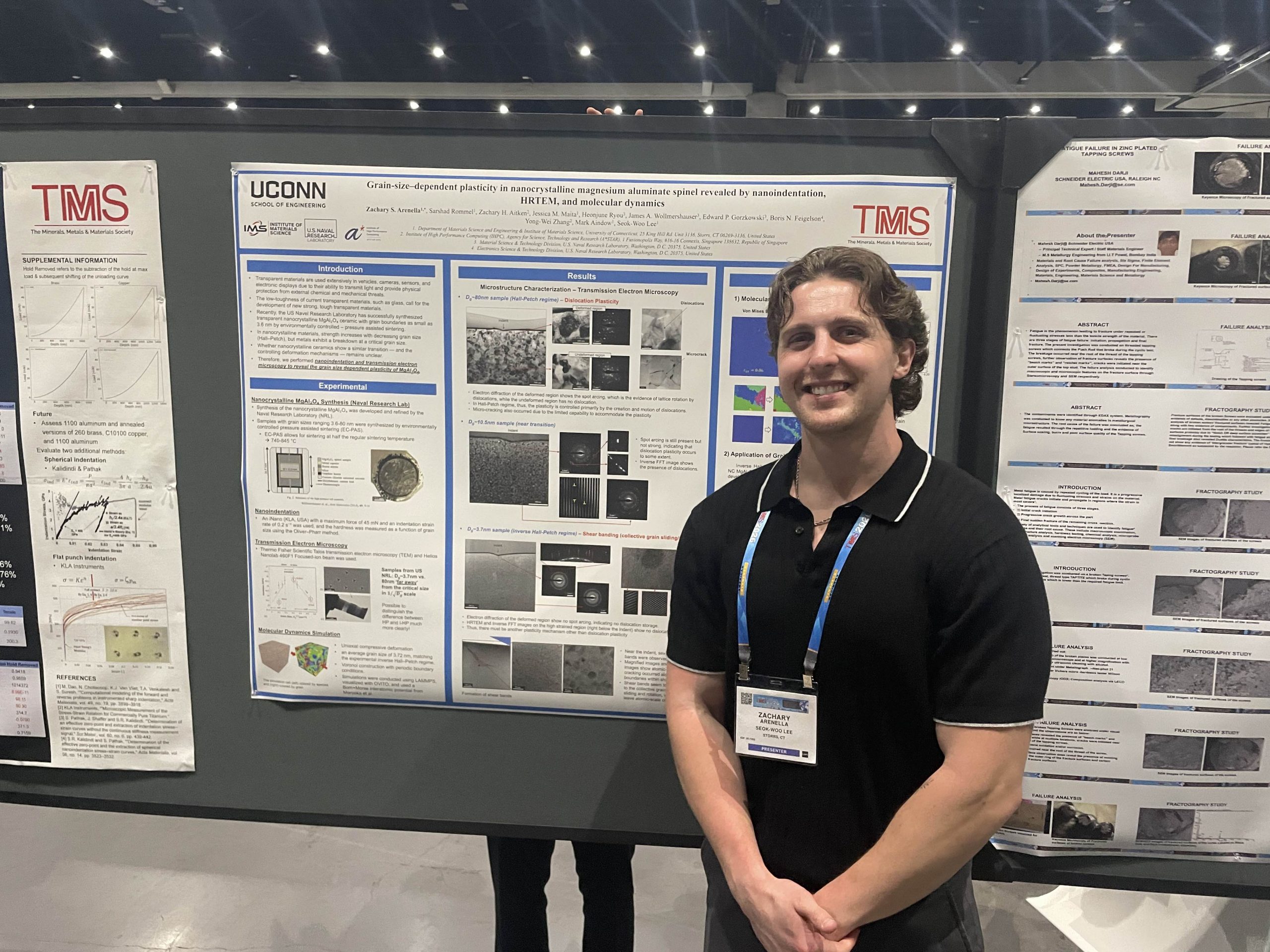
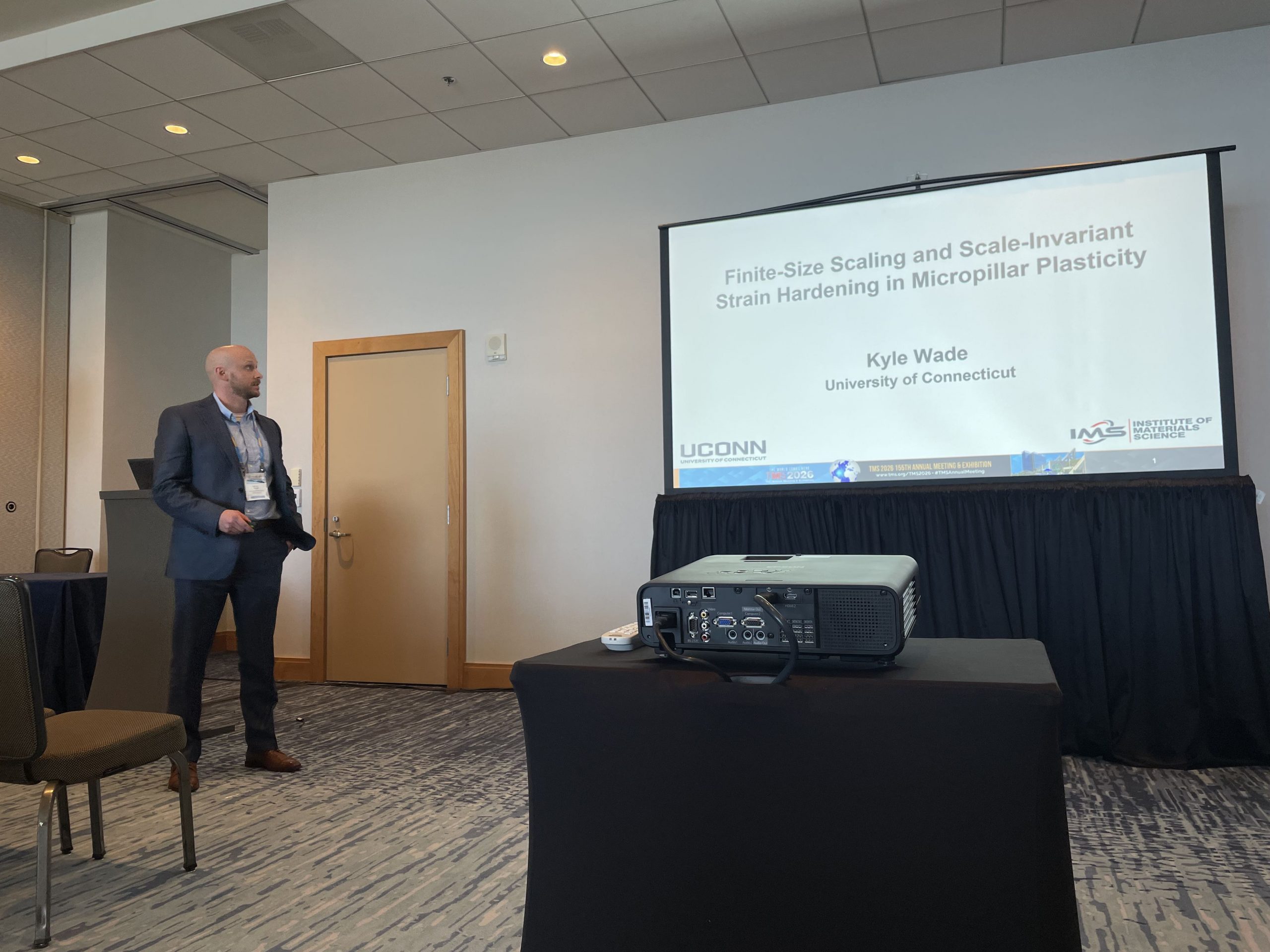
Lee group rocks TMS 2026 at San Diego!

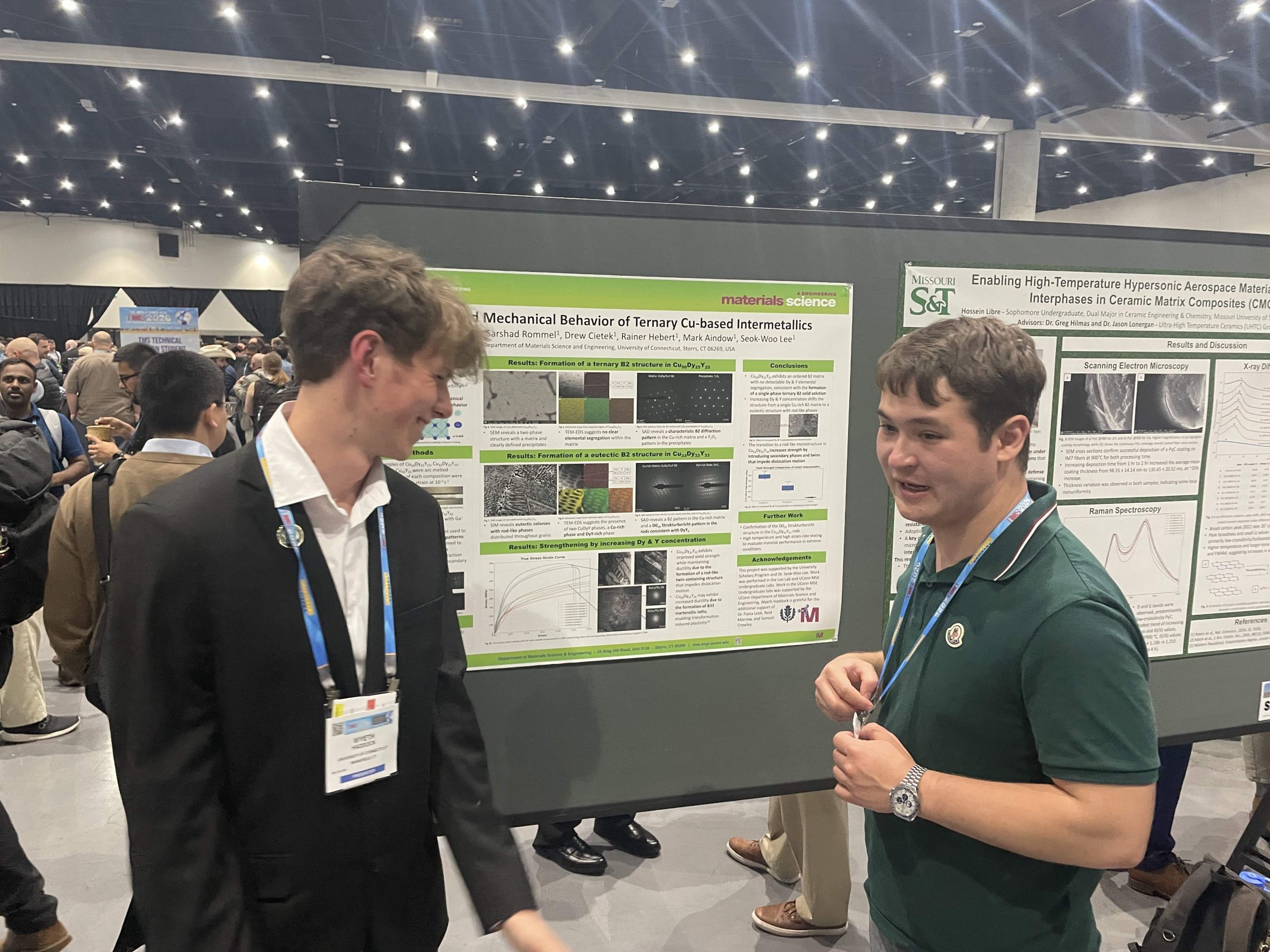
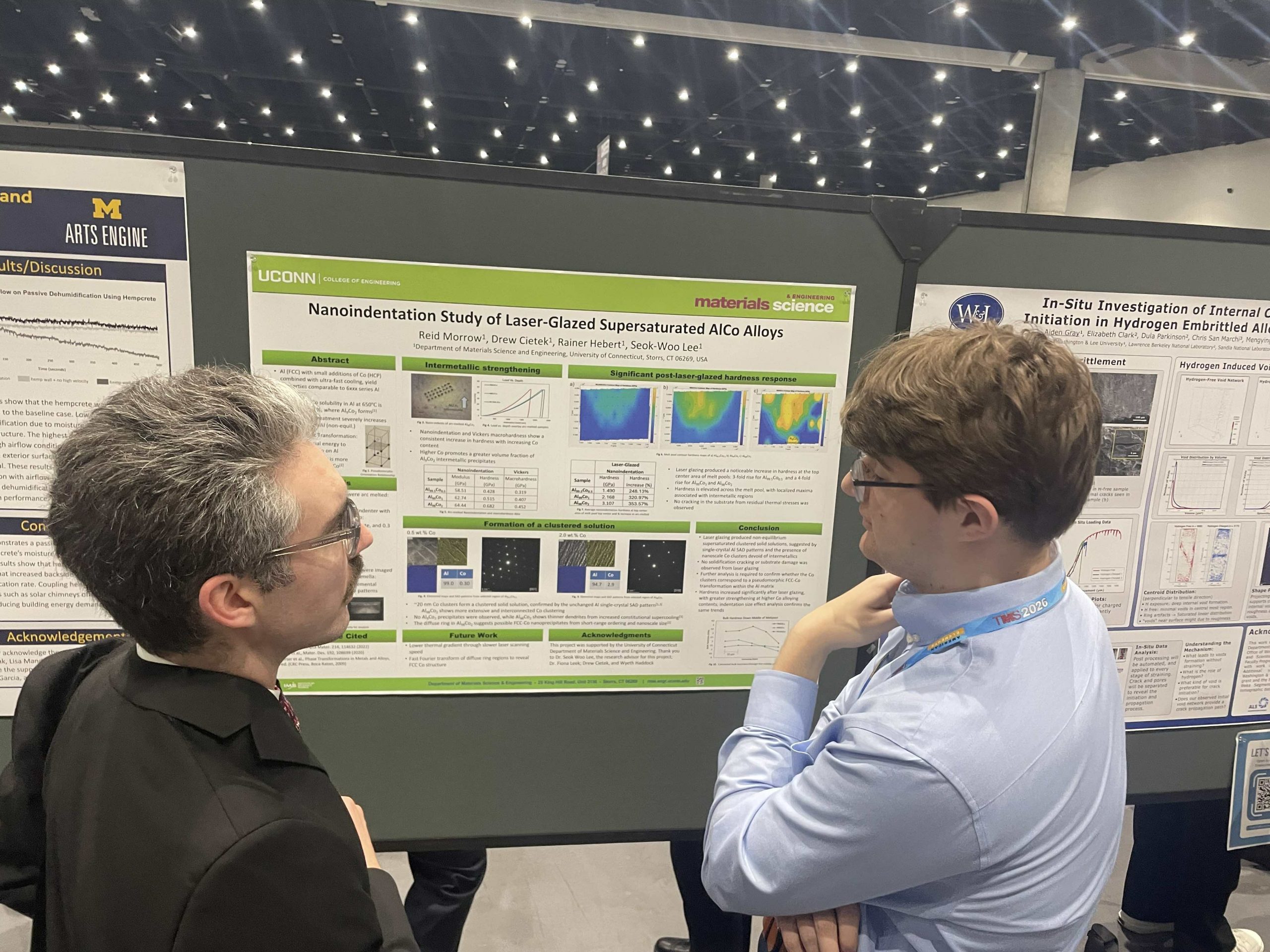
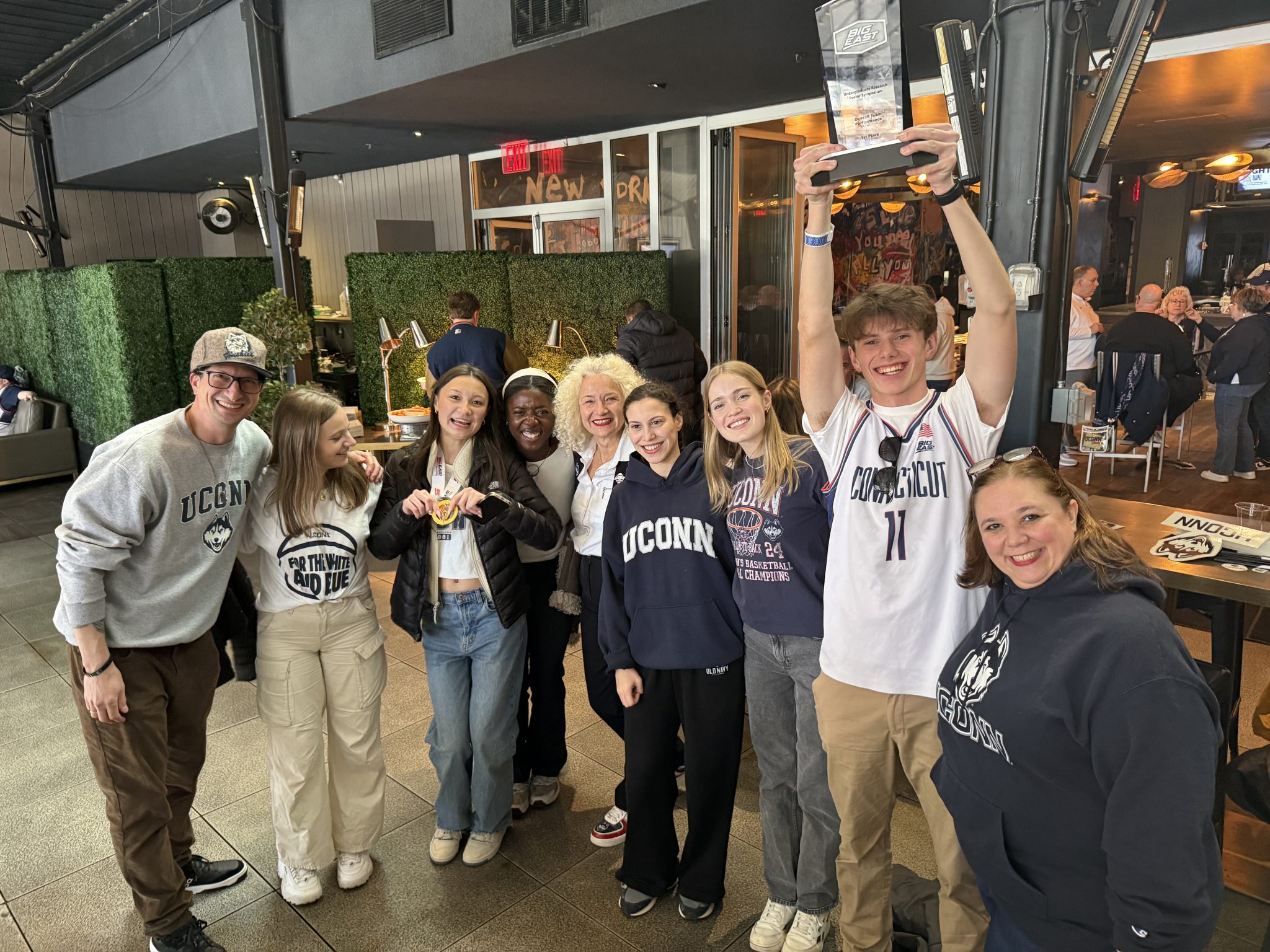
Lee group rocks TMS 2026 at San Diego, CA! Well done, everyone!

Graduate Students

  • Zachary Arenella: Effects of Grain Size on Plasticity Mechanisms of Nanocrystalline MgAl₂O₄ Spinel under Nanoindentation: Hall-Petch vs. Inverse Hall-Petch. (Poster)
  • Kyle Wade: Finite-Size Scaling and Scale-Invariant Strain Hardening Exponent in Micropillar Plasticity (Oral)

Undergraduate Students

  • Wyeth Haddock: Structure and Mechanical Behavior of Novel Ternary CuBased Intermetallic Compounds (Poster)
  • Reid Morrow: Nanoindentation Study of Laser-Glazed Supersaturated AlCo Alloys (Poster)


Zhongyuan published the paper at Scripta Materialia!

Zhongyuan published the paper at Scripta Materialia!

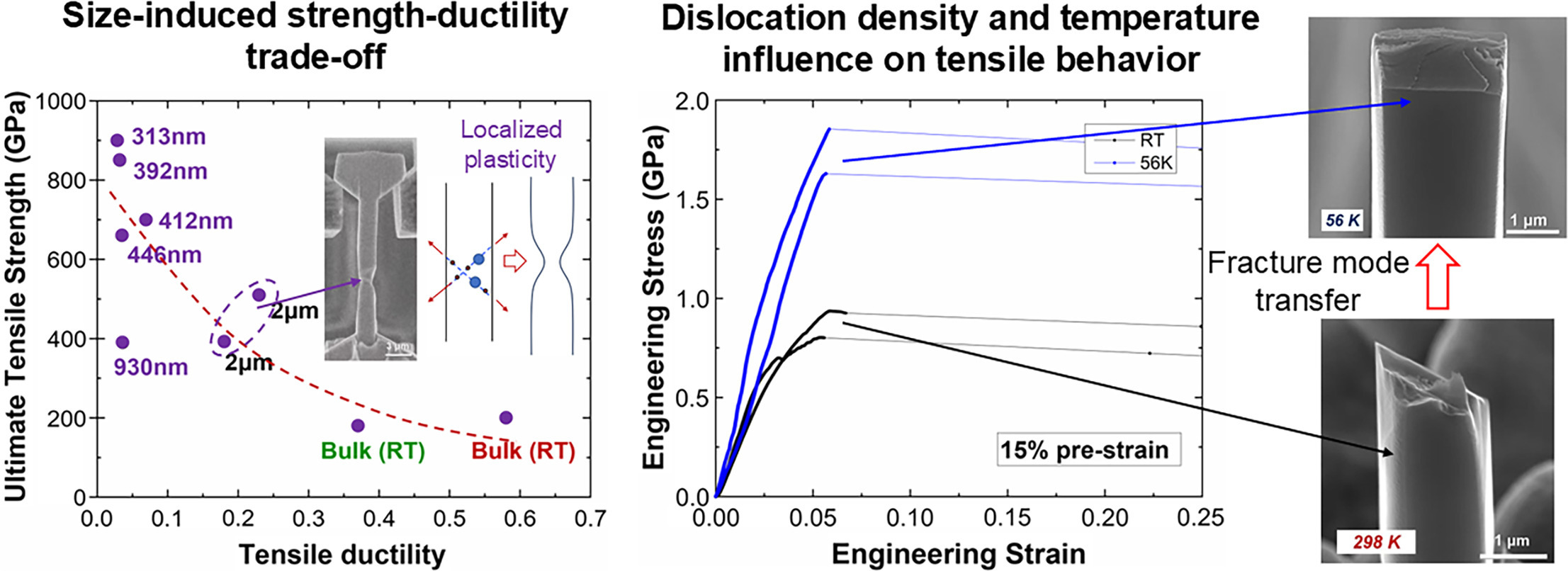
Zhongyuan Li, Alexander J. Horvath, Sarshad Rommel, Shuyang Xiao, Gyuho Song, Mark Aindow, Seok-Woo Lee, “Tensile behavior of micron-sized niobium single crystals: the effect of sample dimension, low temperature, and dislocation density,” Scripta Materialia 277, 117248 (2026) [PDF] [web]


Zhongyuan published the paper at Materials & Design!

Zhongyuan published the paper at Materials & Design! Many congratulations!

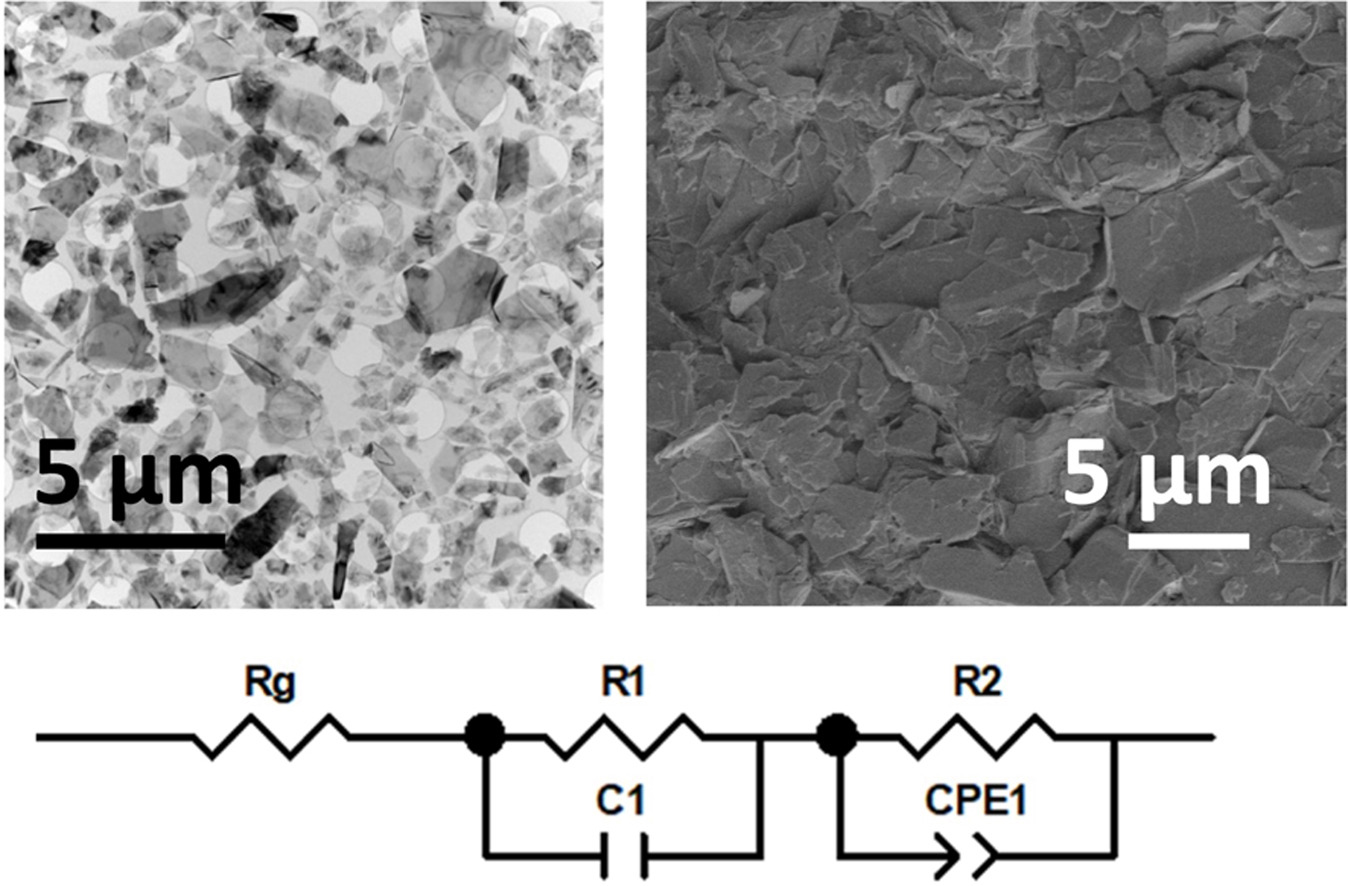
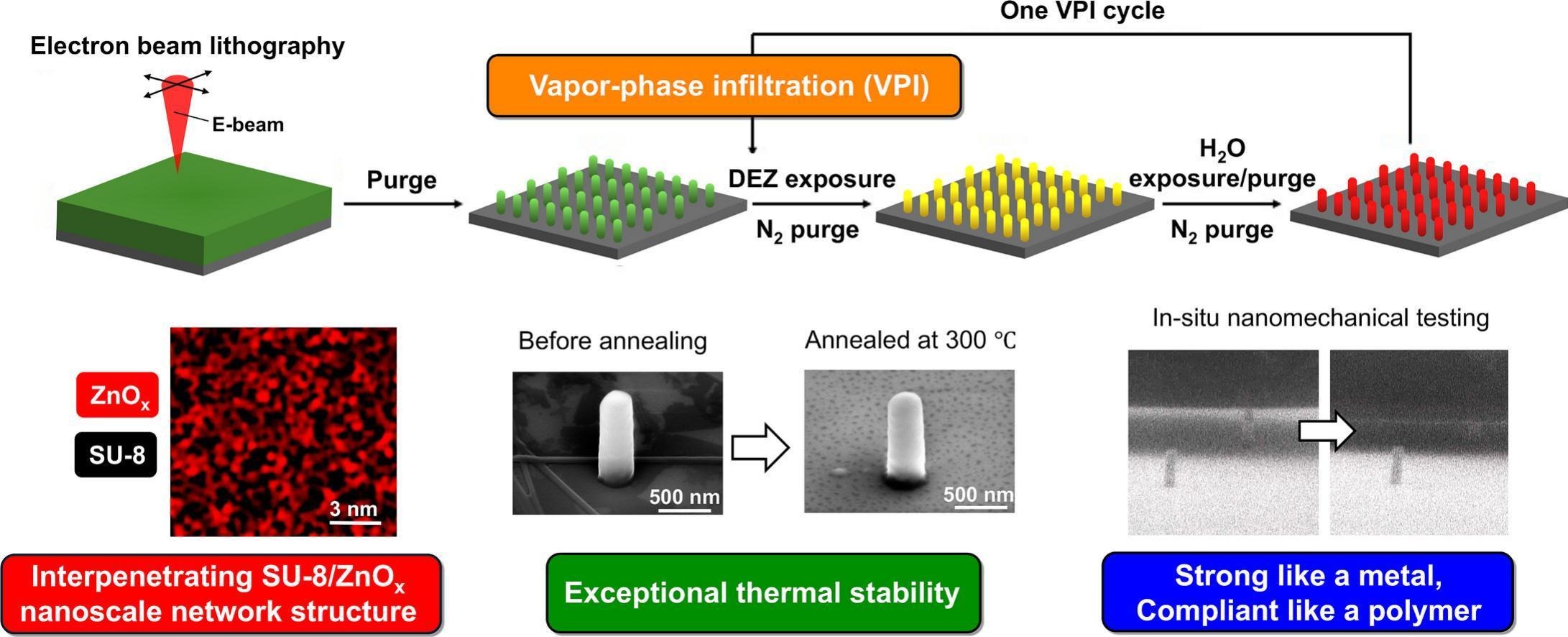
Zhongyuan Li, Nikhil Tiwale, Wonil Lee, Chang-Yong Nam, Seok-Woo Lee, “Achieving the ultrahigh modulus of resilience from interpenetrating-network ceramic-polymer nanocomposites,” Materials & Design 263, 115517 (2026) [PDF] [web]

Graphical Abstract:

Alex gave an oral presentation at MRS Fall 2025 at Boston!

Alex gave an oral presentation at MRS Fall 2025 at Boston!

Symposium: SF10: Dislocation Behavior in Crystalline Materials—90 Years of Dislocation Theory and Application
Abstract Title: The Effects of Microstructure on Dislocation-Mediated Hysteresis Behavior of CaFe2As2 Single Crystal under Nanoindentation
Presenter: Alexander Horvath
Authors: Alexander Horvath(1); Sarshad Rommel(1); Juan Schmidt(2); Daniel Saccone(1); Paul Canfield(2); Mark Aindow(1); Seok-Woo Lee(1)
Institutions: 1. Materials Science & Engineering, University of Connecticut, Storrs, CT, United States. 2. Ames Laboratory & Department of Physics and Astronomy, Iowa State University, Ames, IA, United States.
Abstract:
CaFe2As2 has emerged as a material of interest due to its exotic electronic and mechanical behaviors, including high-temperature superconductivity, superelasticity, and a cryogenic shape memory effect. Under c-axis compression, it exhibits a unique lattice-collapse phase transition with over 13% elastic strain and significant hysteresis, indicating substantial energy dissipation. Interestingly, recent studies have shown that nanoindentation along the a-axis also results in hysteresis in load-displacement data, although through a fundamentally different mechanism involving reversed dislocation flow.

Due to the layered crystal structure of CaFe2As2, nanoindentation along a-axis (i.e., in-plane direction) generates a high density of geometrically necessary edge dislocations. These dislocations organize into dense, vertically aligned arrays that form high-angle kink boundaries. This phenomenon is consistent with the classical Frank and Stroh model, where kinks arise from oppositely signed nucleated dislocations gliding apart to form a lattice misorientation. Our previous work found that mobile dislocations become trapped between these high-angle kink boundaries and remain as active plasticity carriers. Under loading, these dislocations accumulate near the kink boundaries, generating back stress that induces reversed dislocation flow during unloading-resulting in the observed hysteresis. This behavior exemplifies the Bauschinger effect, which is typically associated with tension-compression asymmetry in stress-strain curves.

Previous studies used Sn-solution-grown CaFe2As2 single crystals, which are nearly defect-free in the as-grown state. However, the influence of microstructural variation had not been explored. In this work, we demonstrate that growing CaFe2As2 in an FeAs solution allows for the introduction of Ca-vacancy loops and nanoscale FeAs precipitates, both of which can be tuned via post-growth annealing at elevated temperatures. We investigated the impact of these microstructural features on the hysteresis behavior under a-axis nanoindentation. The quenched sample exhibits a much greater indentation depth per given load as well as a larger hysteresis area. This is because the high density of Ca vacancy loops, which could also serve as nanoscale pre-crack, facilitates the penetration of indenter tip, dislocation nucleation, and the formation of kinks, leading to the stronger Bauschinger effect. In contrast, the quenched/annealed sample shows similar hysteresis behavior with the Sn-grown sample, which is nearly defect-free, because high temperature annealing annihilates Ca vacancy loops by forming FeAs intermetallics. Because FeAs intermetallics are smoothly connected through coherent phase boundaries due to the excellent lattice match, the microstructural state of annealed samples is nearly close to that of the Sn-grown one. Our results clearly demonstrate that the hysteresis behavior under a-axis nanoindentation in CaFe2As2 can be tuned through microstructural control. This study also provides insights into hysteresis mechanisms in other atomically layered materials such as graphite, MAX phases, and over 1,500 ThCr2Si2-structured intermetallic compounds. These findings demonstrate not only that the hysteresis behavior in CaFe2As2 can be tailored through microstructural engineering, but also offer a deeper understanding of dislocation-mediated deformation and energy dissipation mechanisms in a broad class of atomically layered materials.

Seok-Woo and Wyeth published a New Book, “Materials Matter: How Materials Shape Our World”!

I’m pleased to share that I’ve just published a new book, “Materials Matter: How Materials Shape Our World”, now available on Amazon in both paperback and eBook formats: [Amazon (both paperback and eBook)]

This book is an updated and expanded version of my previous self-published title, Make Materials That Change the World: Materials Science!. For this new edition, a senior undergraduate student in Materials Science and Engineering at the University of Connecticut, Wyeth Haddock, joined the project as a co-author and contributed several new chapters.

The book is designed to introduce materials science to high school seniors and first-year undergraduate students. Last year, I met several undergraduate readers of an earlier edition who went on to switch their major to Materials Science and Engineering after reading my book—clear evidence that it made a real impact!

If you’re looking for an accessible, high school–level book to introduce materials science to younger students, I hope this book becomes a valuable and inspiring resource. Thank you for your continued support—and I would truly appreciate it if you shared this with colleagues, educators, or students who might be interested.

– Seok-Woo Lee

PS) One New Chapter includes ‘DIY Bubble Raft Experiments’. You can enjoy some beautiful photo and videos (bubble nanowire and dislocation plasticity) at my group webpage, too.